
Breast Cancer Natural Approach: Holistic Strategies for Wellness

Natural Therapies for breast cancer
Cancer can have various causes (read more). Can a holistic approach to health really help those with breast cancer? Many are now looking at complementary therapies to go alongside their usual treatment. This approach aims for a more complete recovery.
A natural approach to wellness includes many strategies. These range from changing what we eat or supplement with and following specific Detox Protocols to using heart-mind-body therapies and following anti-cancer approaches (e.g. Herbology, Ozone Therapy, BioEnergy Frequency Therapy, Emotional-Mental Healing, Energy Healing). The goal is to boost our overall health and maybe even help our treatment/therapy work better.
Key Takeaways
Holistic strategies can complement conventional breast cancer treatments.
Adopting a natural approach may enhance overall wellness.
Dietary/supplementary changes, detoxing, mind-body therapies and following anti-cancer approaches are key components.
These complementary therapies aim to improve treatment outcomes.
Patients are encouraged to discuss these options with their Natural Healthcare provider.
Understanding Breast Cancer in New Zealand: Types and Symptoms
It's important to know about the different types of breast cancer and their symptoms. This knowledge helps in catching the disease early. Breast cancer is not just one disease. It's a group of diseases that vary in cell type and location in the breast.
Common Types of Breast Cancer
Breast cancer can be divided into several types. These types are based on where the cancer starts in the breast.
Ductal and Lobular Carcinomas
Ductal carcinoma in situ (DCIS) means cancer cells are stuck in the milk ducts. They haven't spread to the rest of the breast yet. Invasive ductal carcinoma (IDC) happens when these cells do spread. Lobular carcinoma in situ (LCIS) is when abnormal cells grow in the lobules. Invasive lobular carcinoma (ILC) is when these cells also spread.
Inflammatory Breast Cancer and Paget's Disease
Inflammatory breast cancer is a rare but aggressive type. It makes the breast look inflamed. Paget's disease of the breast is rare. It mainly affects the skin of the nipple and sometimes the areola.
Recognising Breast Cancer Symptoms
Finding breast cancer early is key to treating it well. Spotting symptoms early can make a big difference.
Breast Lumps and Tissue Changes
A new lump or thickening in the breast or underarm is a common sign. Changes in the size or shape of the breast can also mean cancer.
Nipple and Skin Alterations
Nipple inversion or flattening.
Redness or scaliness of the nipple or breast skin.
Discharge from the nipple.
Knowing these symptoms can help find cancer early. If you see any unusual changes, see a Healthcare Specialist right away.
The Biology of Breast Cancer
Breast cancer's biology is complex, involving hormones and genes. Knowing these details is key to finding good treatments/therapies and ways to prevent it.
Hormonal Influences on Breast Tissue
Hormones are very important in breast cancer. Oestrogen and progesterone affect breast tissue a lot. They do this through special receptors called oestrogen receptor alpha and progesterone receptor alpha.
Oestrogen and Progesterone Receptors
Oestrogen receptor alpha is a hormone receptor in the nucleus. It turns on genes that help cells grow and change. Progesterone receptor alpha also helps cells grow. Whether these receptors are present or not can change how breast cancer is treated. Studies show that cancers with these receptors often have a better outlook than those without.
Genetic Factors in Breast Cancer
Genetic changes can be a big part of breast cancer. Genes like BCL-2 and p53 are very important. They help control cell death and fix DNA damage.
BCL-2 and p53 Genes
The BCL-2 family helps cells die when they should. If BCL-2 doesn't work right, cancer cells can live too long. The p53 gene is a guard against cancer. It fixes DNA problems. But, if p53 is broken, cells can grow out of control.
"The p53 gene is crucial for maintaining genomic stability, and its mutation is a key factor in the development of many cancers, including breast cancer" - Dr David Weller (Natural AntiCancer & Integrative Oncology Specialist, Wellington)
Understanding Breast Tissue Changes
Changes in breast tissue can be harmless or cancerous. Knowing about these changes is vital for catching cancer early. Keeping an eye on your breasts and knowing your health can help spot problems early.
By grasping the basics of breast cancer, like how hormones and genes work, people can make better choices about their health and treatment.
The Breast Cancer Natural Approach: An Overview
The breast cancer natural approach is a holistic way to manage breast cancer. It combines conventional and Natural therapies. This method recognises the complexity of breast cancer and the need for a comprehensive therapy plan.
Integrating Conventional treatments and Natural therapies
Using both conventional treatments like surgery and natural therapies can improve outcomes. Natural therapies include diet changes and supplementation, detoxing, herbal supplements, specific target therapies and practices like meditation and yoga. This combination can help to reduce side effects and boost well-being.
Dr. Keith Block, a leading integrative oncologist, believes in combining conventional and complementary therapies. Many healthcare providers in New Zealand are now using natural therapies in their treatment plans. For further information, see NatuneHeal's Integrative AntiCancer Programme, Ozone Therapy, BioEnergy Frequency Therapy, Emotional-Mental Healing, Energy Healing.
Benefits of Holistic Strategies
Holistic strategies help breast cancer patients in many ways. They reduce stress, improve mood, boost the immune system, detox, may have anticancer effects, increase energy, and enhance physical function. By focusing on the whole person, these approaches promote wellness and resilience.
"The goal of integrative oncology is to provide the best possible care by combining the strengths of conventional treatment and complementary therapies." - Dr. Jun Mao, Integrative Oncology Expert
Working with Healthcare Providers in New Zealand
In New Zealand, patients can find healthcare providers skilled in integrative oncology. It's crucial to work with those who are aware of both conventional treatments and natural therapies. Patients should talk to their healthcare team to create a treatment/therapy plan that suits them.
Research local healthcare providers who offer integrative/natural oncology services.
Discuss your treatment/therapy goals and preferences with your healthcare team.
Explore complementary therapies that can be safely integrated into your treatment plan.
Nutrition as Medicine for Breast Cancer
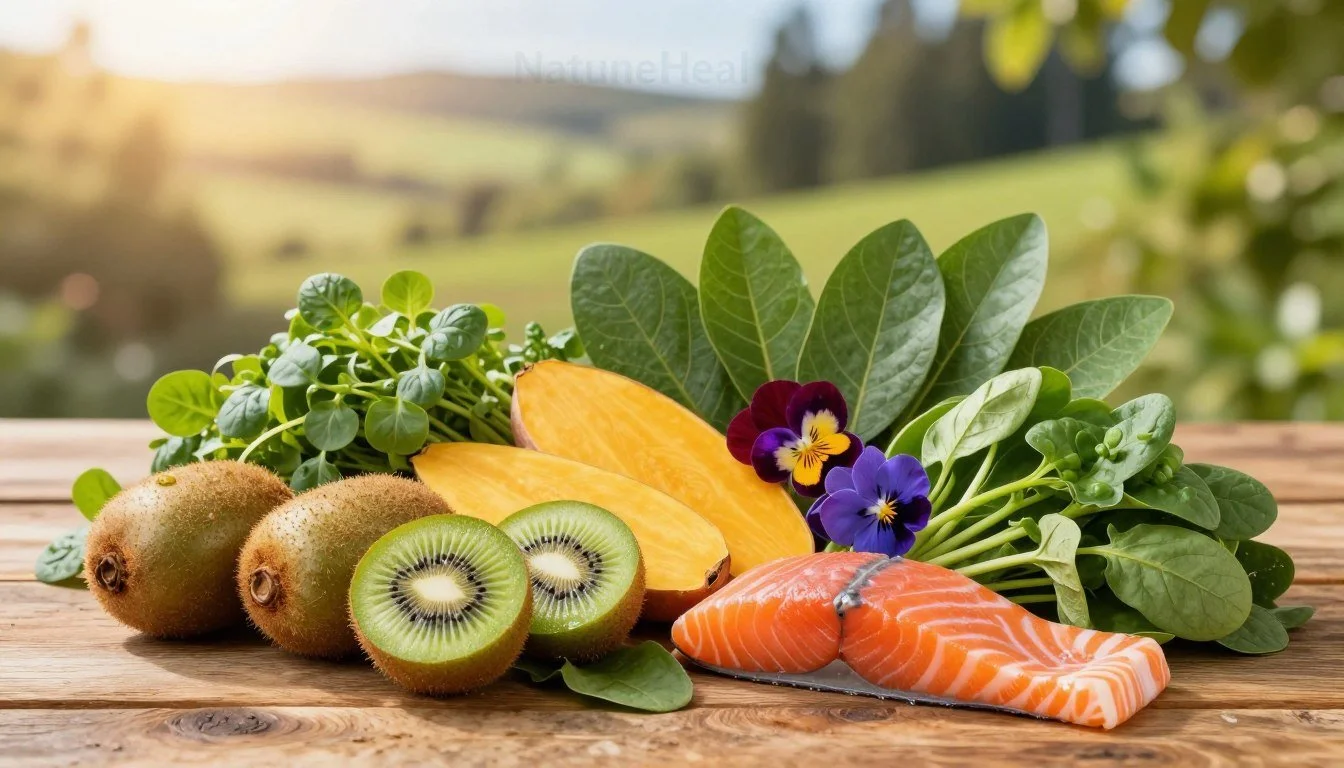
Nutrition is key in fighting breast cancer. Some foods can protect against it. Eating the right nutrients helps the body fight off cancer and can make treatments work better.
Anti-Cancer Foods and Their Mechanisms
Some foods can stop cancer from growing. They work in different ways to help the body stay healthy. Foods that block the BCL-2 gene and support the p53 gene are especially important.
BCL-2 Gene Inhibiting Foods
Foods that block the BCL-2 gene can slow down cancer cells. Green tea is full of catechins, which help. Curcumin in turmeric is also anticancer, but there are many more.
p53 Gene Supporting Foods
The p53 gene helps control cell growth and stops cancer. Foods that help this gene are good for us. Berries like blueberries and raspberries are full of antioxidants. Omega-3 fatty acids in fish like salmon also help, amongst others.
Dietary Patterns for Breast Health
Eating a balanced diet is important for breast health. Focus on whole foods like fruits, veggies, grains, seeds. These give us the nutrients we need to stay healthy.
Local New Zealand Superfoods
New Zealand has superfoods great for breast health. Adding them to your diet can help keep your breasts healthy.
In short, nutrition is crucial in fighting breast cancer. Knowing how anti-cancer foods work and eating right can help keep you healthy. It's a step towards better well-being.
Herbal Remedies and Plant-Based Therapies
Nature offers many herbal remedies and plant-based therapies for breast cancer. These natural therapies can help alongside conventional treatments. They aim to improve overall health and well-being.
Frankincense (Boswellia serrata) Benefits
Frankincense comes from the Boswellia tree and has been used for centuries. It has anti-inflammatory properties, thanks to boswellic acids. Research shows how it might slow down cancer cell growth due to its anticancer effects.
Graviola (Soursop) Research
Graviola, or soursop, has been studied for its anticancer properties. In vitro and in vivo studies show it can stop cancer cell growth and cause cells to die. But, there are no clinical trials yet, so use it with caution.
BEC-5 Rich Plants and Their Properties
BEC-5 (solasodine glycoside alkaloids) are found in some plants of the Solanaceae family (e.g. eggplant) and have anticancer effects in skin cancers, and show anti-metastatic properties.
Traditional Māori Medicinal Plants
In New Zealand, traditional Māori medicine, Rongoā, uses native plants for healing. Plants like Kawakawa and Manuka are known for their antibacterial and anti-inflammatory effects. Horopito is used for its antifungal effects. They also improve overall health.
In summary, herbal remedies and plant-based treatments are a good addition to breast cancer care. They can help improve treatment outcomes and quality of life when used with conventional treatments.
Frankincense is anticancer and may also help to reduce inflammation associated with cancer.
Graviola has shown potential anticancer effects in some studies.
BEC-5 rich plants show anticancer properties.
Traditional Māori medicinal plants contribute to overall health and well-being.
Mind-Body Approaches for Healing

Healing from breast cancer is not just about physical treatment. It also involves caring for the mind and soul. Mind-Heart-Body approaches help improve well-being, reduce stress, and aid in mental-emotional healing.
Stress Reduction Techniques
Stress reduction is key for those with breast cancer. Deep breathing exercises, progressive muscle relaxation, and yoga can ease anxiety. These activities boost mental health and strengthen the immune system.
Meditation and Mindfulness Practices
Meditation and mindfulness are gaining popularity in cancer care. They help to reduce depression and anxiety symptoms. They also improve sleep and build emotional strength. Many places in New Zealand offer mindfulness-based stress reduction (MBSR) programs.
Emotional Healing and Support Groups in New Zealand
Emotional healing is crucial in recovery. Support groups offer a safe place to share and receive support. In New Zealand, many groups focus on breast cancer, helping with emotional healing and building community.
By using Heart-Mind-Body approaches, people can actively participate in their healing. This improves their quality of life.
Lifestyle Modifications for Prevention and Recovery
Living a healthier lifestyle can greatly help in preventing and treating breast cancer. Making smart choices can lower your risk and improve your health.
Exercise and Physical Activity
Regular exercise is key for a healthy life. It helps to prevent breast cancer and aids in recovery. Activities like brisk walking, cycling, or swimming are great. They boost heart health, mood, and sleep.
For those in treatment, yoga or tai chi can help with stress and flexibility. Always talk to your doctor before starting new exercises, especially during treatment.
Sleep Optimisation
Good sleep is essential for health, affecting hormones and the immune system. Bad sleep can raise breast cancer risk. So, improving sleep is crucial.
Stick to a sleep schedule, make your bedroom comfy, and avoid caffeine or screen time at night. Meditation and deep breathing can also help you relax.
Environmental Toxin Reduction
Lowering toxin exposure is vital. Some chemicals in products can harm hormone balance and increase cancer risk.
Choose natural or organic personal care products.
Use glass or stainless steel containers instead of plastic.
Avoid microwave use or heating food in plastic containers.
Hormone-Balancing Practices
Practices that balance hormones are good for breast health. Eating foods with omega-3s and antioxidants helps. Stress management through mindfulness is also key.
Talking to Specialist Healthcare Providers can help you to create a plan. This plan will include these lifestyle changes to support prevention and recovery.
Complementary Therapies in Breast Cancer Care
In the journey through breast cancer care, complementary therapies can play a very supportive role. These therapies may or may not replace conventional treatments. Ultimately, they aim to enhance patient well-being and potentially improve outcomes.
Acupuncture and Traditional Chinese Medicine
Acupuncture, a key part of Traditional Chinese Medicine (TCM), involves fine needles in specific body points. It helps to manage symptoms like pain, nausea, and hot flashes from breast cancer treatment. Research suggests it can ease these symptoms, boosting patients' quality of life.
Massage and Manual Therapies
Massage therapy, including various manual techniques, can reduce stress, anxiety, and pain in breast cancer patients. Manual therapies like lymphatic drainage help to manage lymphedema, a common side effect of surgery, radiation, chemotherapy, or the cancer itself. They:
Reduce stress and anxiety
Alleviate pain
Help manage lymphedema.
Energy Healing Modalities
Energy healing modalities, including Quantum Energy Healing, Reiki and qigong, aim to balance the body's energy for healing and relaxation. These practices are becoming more common in supportive cancer care.
Accessing Integrative Care in New Zealand
Patients in New Zealand can find integrative care through various healthcare providers (e.g. NatuneHeal). It's crucial for patients to do their own research. This ensures safe and coordinated care.
Research local integrative care services.
Ensure the therapists are qualified and experienced.
Conclusion: Creating Your Holistic Breast Cancer Wellness Plan
Creating a detailed wellness plan is key for those with breast cancer. It involves using Holistic Breast Cancer Therapy methods. This can boost overall health and maybe even help with treatment. For further information, see NatuneHeal's Integrative AntiCancer Programme.
Natural therapies like correct food, herbs, supplements, targeted therapies, and heart-mind-body therapies can help alongside conventional treatments. Making lifestyle changes, like exercising, sleeping well, and avoiding toxins, is also important. These steps help in breast cancer prevention and recovery.
By making these lifestyle changes for breast cancer prevention and treatment, people can help themselves. They can work with specialists in New Zealand to create a plan that fits their needs. This plan aims to improve their health.
It's important to help people make smart health choices. Using a holistic approach to breast cancer care helps them face their journey with strength and hope.
FAQ
What is a natural approach to breast cancer treatment?
A natural approach to breast cancer treatment uses holistic methods. This includes nutrition, supplementation, detoxing, herbal remedies, targeted therapies, and heart-mind-body therapies. It also involves making lifestyle changes to promote wellness.
What are the different types of breast cancer?
There are several types of breast cancer. These include ductal carcinoma in situ (DCIS), invasive ductal carcinoma, and inflammatory breast cancer. Other types are invasive lobular carcinoma (ILC) and Paget's disease.
What are the symptoms of breast cancer?
Common symptoms of breast cancer include a lump in the breast. You might also notice a change in breast size or shape. Nipple changes, skin peeling, and swollen lymph nodes are other signs.
How do hormonal influences affect breast tissue?
Hormones like oestrogen and progesterone affect breast tissue. Oestrogen influences oestrogen receptor-positive breast cancers. Progesterone affects progesterone receptor-positive cancers.
What is the role of the BCL-2 gene in breast cancer?
The BCL-2 gene controls cell death. Some foods can block this gene. This might help manage breast cancer.
What are some anti-cancer foods that can help in breast cancer treatment?
Foods that block the BCL-2 gene and support the p53 gene are beneficial. These include certain fruits and vegetables.
Can herbal remedies be used alongside conventional breast cancer treatment?
Yes, some herbal remedies like frankincense and graviola may help. But, always talk to a Natural Healthcare Specialist provider before using them.
How can heart-mind-body approaches help in breast cancer healing?
Heart-Mind-Body approaches like stress reduction and meditation help. They reduce stress and support emotional healing.
What lifestyle modifications can help prevent or recover from breast cancer?
Regular exercise and good sleep are key. Reducing toxins and balancing hormones also helps.
Are there any complementary therapies available in New Zealand for breast cancer care?
Yes, New Zealand offers various therapies like Ozone Therapy, BioEnergy Frequency Therapy, Emotional-Mental Healing, Energy Healing, Acupuncture and Massage, amongst others. These can be found through Natural AntiCancer or Integrative Care services.
How can I create a holistic breast cancer wellness plan?
To create a holistic plan, include natural methods and lifestyle changes. Work with Specialist Natural Healthcare providers to make a plan that suits you.