
Blood Cancers: Holistic Care for Wellbeing in New Zealand
Have you ever wondered why New Zealand is becoming a global leader in holistic care for blood cancers? With a growing emphasis on integrating Natural Therapies with conventional treatments, the nation is paving the way for a holistic approach that promotes overall health and wellbeing.
Blood cancers, such as leukaemia, lymphoma, and myeloma, impact thousands of New Zealanders each year. As those affected navigate the challenges of these conditions, exploring a combination of holistic care and conventional medicine can significantly enhance their quality of life. By understanding the unique aspects of New Zealand's healthcare landscape, we can appreciate how natural therapies and novel technologies are available to complement conventional treatments and contribute to improved health outcomes.
In this article, we will delve into the spectrum of holistic care strategies for blood cancers in New Zealand, examining how novel technologies like Bioenergy Frequency Therapy and Nutrition are integrated into blood cancer care to ensure overall wellbeing. Join us as we uncover the promising developments in blood cancer management, guided by New Zealand's leading experts.
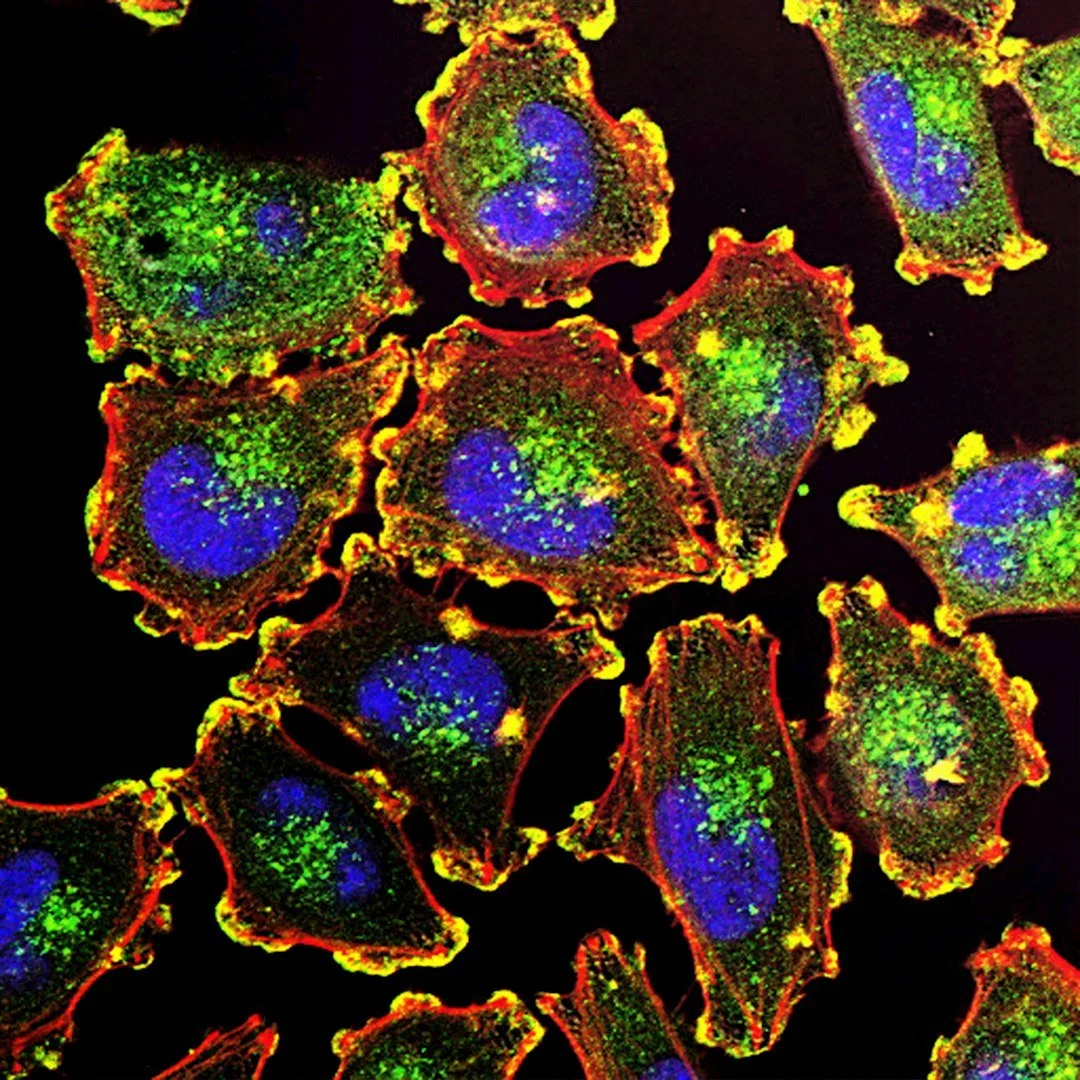
Amorphous Blood Cells
Key Takeaways
New Zealand is emerging as a global leader in combining holistic and conventional care for blood cancers.
Natural therapies, integrated with conventional treatments, are enhancing people's health and wellbeing.
Understanding the roles of Bioenergy Frequency Therapy, Ozone Therapy, Detox and Nutrition in managing blood cancers.
One of Wellington's Natural Therapy Specialists (certified in Integrative Oncology) is pioneering innovative approaches to blood cancer care.
The article explores New Zealand's unique healthcare landscape in relation to holistic care.
An Overview of Blood Cancers
Blood cancers impact numerous individuals worldwide, and understanding their nature is crucial for effective management. These cancers affect the blood, bone marrow, and lymphatic system. Here, we delve into the various blood cancer types and the key symptoms to aid early detection, alongside a look at the underlying biological mechanisms.
Types of Blood Cancers
Blood cancers are primarily classified into three major types: lymphoma, myeloma, and leukaemia. Lymphoma originates in the lymphatic system, particularly targeting lymph nodes. Myeloma affects the plasma cells in the bone marrow, disrupting the production of normal blood cells. Leukaemia, the most well-known type, involves the rapid creation of abnormal white blood cells that impede the functions of red blood cells and platelets.
Symptom Recognition and Early Detection
Recognising the symptoms of blood cancers early can significantly enhance therapy and/or treatment outcomes. Common signs include: persistent fatigue, unexplained weight loss, frequent infections, and unusual bleeding or bruising. Early detection hinges upon awareness and timely (bio)medical consultation when these symptoms manifest.
The Role of Red and White Blood Cells
Red blood cells are responsible for transporting oxygen throughout the body, providing essential oxygenation and energy. White blood cells are crucial for immune defence, combating infections and foreign invaders. In blood cancers, these cell functions are severely compromised, leading to various health issues linked to oxygen transport and immunity.
The Impact on Bone Marrow and Blood Stem Cells
Bone marrow is the primary site for blood cell formation, relying on blood stem cells to generate healthy red and white blood cells. When blood cancers like myeloma or leukaemia target the bone marrow, the production of these essential cells is disrupted. This interferes with the body's ability to sustain vital functions, leading to systemic health complications.
Understanding the Lymphatic and Immune Systems in Blood Cancers
Cancer diagnosis often propels a deep dive into understanding our body's complex defence mechanisms. Central to this defence system is the role played by the lymphatic system and the immune system, especially when it comes to combating blood cancers. This section aims to shed light on how these systems function and their importance in maintaining health.
Key Organs: Lymph Nodes, Spleen, and Thymus
The lymphatic system is integral to our immune response and consists of a network of lymph nodes, the spleen, and the thymus. These organs filter harmful substances and are pivotal in generating and housing various cells that fight infection. The spleen filters blood, removing old red blood cells and pathogens. It also stores white blood cells and platelets. Lymph nodes act as filters, trapping viruses, bacteria, and other causes of illnesses before they can infect other parts of the body. The thymus, albeit smaller in adulthood, remains essential as it produces T-lymphocytes, which play a critical role in targeting infected cells.
The Role of T-Lymphocytes and B-Lymphocytes
Two main types of lymphocytes, T-lymphocytes and B-lymphocytes, are fundamental components of the immune system. T-lymphocytes assist in directly killing infected host cells, activating other immune cells, and regulating the immune response. On the other hand, B-lymphocytes produce antibodies that neutralise pathogens circulating in the bloodstream and lymphatic system. Both types of lymphocytes are pivotal in recognising and combating the abnormal cells typical of blood cancers.
Common Symptoms such as Persistent Fatigue and Sweating
Recognising the symptoms associated with blood cancers is crucial for early detection. Common symptoms include persistent fatigue, and excessive sweating particularly at night. These symptoms occur because the immune system is under siege by cancer cells, leading to hormonal imbalances and the body's increased efforts to fight off disease. If you or a loved one experience these persistent symptoms, it is important to seek health advice for timely intervention.
Conventional Treatments vs Holistic Therapy Approaches
When it comes to treating blood cancers, patients often find themselves navigating a sea of options between conventional treatments and accepted Holistic Therapy approaches. Understanding the nuances of these treatments and therapies is crucial for making informed decisions about one's health.
Natural Medicine Therapies and Technologies
Natural Medicine approaches have gained traction for their less invasive nature, blood purification techniques, cell/tissue regeneration programmes and focus on overall well-being. These approaches aim to bolster the body's natural defences and include a variety of methods such as Herbal Remedies, Diet & Lifestyle modifications, Ozone Therapy and Bioenergy Frequency Therapy.
Complementary Therapies: Ozone Therapy and Blood Purification
Complementary therapies like Ozone Therapy and Blood Purification (via BioEnergy Frequency Therapy) are also proving to be beneficial. Ozone Therapy involves introducing ozone gas into the body to enhance the oxygen-carrying capacity of blood, neutralizing toxins, and boosting the immune system. Meanwhile, blood purification techniques filter toxins and other impurities from the bloodstream, providing another layer of therapeutic support.
These integrative therapies provide a more personalised treatment plan, helping to mitigate side effects and improve the overall quality of life for those affected by blood cancers.
Blood Cancers: New Zealand's Perspective on Holistic Care
The approach of holistic care for blood cancers in New Zealand is garnering significant attention, thanks to the groundbreaking contributions of experts like Dr David Weller (Natural Health & BioEnergy Therapy Specialist) and institutions such as NatuneHeal. These professionals and organisations are leading the way, integrating both ancestral holistic therapies with novel technological approaches grounded in science in the battle against blood cancers.
Wellington's Leading Experts: Dr David Weller and NatuneHeal
In Wellington, Dr David Weller and NatuneHeal are prominent names associated with offering those affected by cancer a complementary health perspective. Dr Weller's extensive experience and commitment to people-centred care make him a key figure in the field. NatuneHeal, an innovative organisation, complements his efforts by providing holistic therapies that focus on the body-energy connection as well as the mental-emotional-spiritual-body connection, ensuring comprehensive health improvement for blood cancer patients.
Bioenergy Frequency Therapy for Enhanced Wellbeing
Among the diverse holistic therapies available, Bioenergy Frequency Therapy stands out. This method uses specific frequencies to stimulate the body's natural healing processes, proving beneficial in enhancing the wellbeing of those affected by blood cancers. Complementing conventional treatments, Bioenergy Frequency Therapy offers a non-invasive and supportive approach to managing symptoms and improving overall health.
New Zealand's perspective on integrating these cutting-edge therapies with conventional treatments presents a model for achieving balanced, people-centric care in the embrace against blood cancers.
Integrating Natural Therapies for Improved Health
Natural therapies provide a holistic approach to health, enhancing wellbeing and complementing conventional treatment methods. These therapies often focus on the body's ability to heal and detox itself, using natural means to support recovery.
Understanding Natural Therapies and Their Benefits
One of the primary benefits of incorporating natural therapies is the potential to reduce side effects associated with conventional medicine. Modalities like herbal medicine and meditation can target overall wellness, allowing those affected to manage stress and boost immune function. Emphasising a natural regimen can promote a healthier lifestyle, ultimately improving health outcomes.
Combining Conventional and Traditional Medicine for Best Results
Combining conventional medicine with traditional medicine creates a more comprehensive treatment and/or therapy strategy. Integrating holistic therapies with conventional methods can provide a balanced approach, aligning the strengths of natural remedies and technologies with the conventional medical interventions. Those affected often experience improved wellbeing and a more supportive recovery process.
Ultimately, embracing an integrated approach can yield optimal health results, offering a robust path to healing for those navigating the complexities of blood cancers in New Zealand.
The Role of Nutrition and Lifestyle in Blood Cancers Management
Optimising nutrition and lifestyle is paramount in the effective management of blood cancers. By prioritising a balanced anticancer diet, regular exercise, and stress management, patients can significantly enhance their overall wellbeing and resilience during treatment.
Key Nutrients for Blood Cancer Patients
Those affected by blood cancers require specific nutrients to support their immune system and improve treatment and/or therapy outcomes. Emphasising foods rich in vitamins, minerals, and antioxidants can make a substantial difference. Essential nutrients include:
Iron - Vital for maintaining healthy red blood cell levels.
Vitamin C - Enhances iron absorption and supports immune function.
Folate - Crucial for DNA synthesis and repair.
Omega-3 fatty acids - Anti-inflammatory properties that benefit overall health.
Importance of a Balanced Diet and Exercise
Adopting a balanced diet and engaging in regular exercise are fundamental components of blood cancer management. A diverse, nutrient-dense and anticancer diet supports the body's healing processes and provides necessary energy levels. Daily mild physical movements, tailored to the individual's condition, helps maintain muscle mass, assist with lymph flow, improves mood, and boosts the immune system.

Stress Management Techniques for Better Health
Stress management is crucial for those navigating the challenges of blood cancer treatment and therapy. Chronic stress can negatively impact the immune system and further acidify your body, making it essential to incorporate relaxation techniques into daily routines. Effective strategies include:
Meditation - Encourages mindfulness and reduces anxiety.
Yoga & breathwork - Combines physical postures and breathing techniques for relaxation.
Deep breathing exercises - Helps to calm the mind and reduce stress hormones.
Therapeutic hobbies - Engaging in enjoyable activities when energy levels increase, such as painting or gardening can offer a mental escape and stress relief.
By carefully integrating these nutrition, lifestyle, and stress management practices, those dealing with blood cancers can enhance their treatment and/or therapy journey and improve their quality of life.
Patient Stories: Successes and Testimonials
Discover the remarkable journey of those dealing with blood cancer in New Zealand, sharing their unique stories and testimonials. Through holistic approaches, these individuals have experienced significant recovery, embracing newfound hope and vitality.
Recovery Narratives in New Zealand
"After my diagnosis, I felt overwhelmed. Thanks to holistic therapies, I found a path to recovery that conventional treatments alone couldn't offer. The integrative approach made all the difference in my healing journey." (M, Wellington resident).
Recovery narratives like these highlight how an integration of holistic approaches can profoundly impact lives. Stories from those affected by cancer in New Zealand exhibit resilience and determination, bringing hope to those facing similar battles.
How Holistic Approaches Transformed Lives
Holistic approaches, encompassing therapies like Natural Medicine, Ozone Therapy, BioEnergy Frequency Therapy, and stress management, have played a pivotal role in enhancing recovery. Testimonials from those affected across New Zealand emphasize the importance of a well-rounded approach to wellbeing.
By sharing their experiences, these individuals provide invaluable insights into how holistic methods can support healing and improve quality of life. Their success stories serve as powerful reminders of the benefits of adopting a comprehensive care strategy.
The impact of these holistic approaches on recovery is profound, as illustrated by the inspiring testimonials. From overcoming challenging health hurdles to regaining strength, these stories are a testament to the power of integrative care.
Future Prospects: Advancements in Holistic Blood Cancer Care
As we look ahead, the future prospects of holistic blood cancer care appear promising. Embracing a combination of technological advancements and Natural Medicine Therapies, new research and evolving innovations are aligning to offer comprehensive therapy opportunities for those affected.

Cleansed, Purified, and Energised Body
Ongoing Research and Developments
Currently, there are numerous ongoing research projects focused on comprehending and improving holistic blood cancer care. These endeavours seek to integrate innovative natural medicine therapies with conventional treatment methods, enhancing outcomes and wellbeing.
Innovations in Natural Medicine and Therapies
The landscape of holistic blood cancer care is continually evolving with new innovations in natural medicine and therapies. From Bioenergy Frequency Therapy to advanced herbal remedies, these approaches are gaining traction. They offer promising complementary alternatives, aiming to enhance the overall effectiveness of blood cancer management.
Conclusion
In conclusion, managing blood cancers through holistic care offers a promising path towards enhanced wellbeing in New Zealand. By recognising the different types of blood cancers and understanding their impact on the body, individuals can take proactive steps in symptom recognition and early detection. The exploration of the lymphatic and immune systems further underscores the importance of holistic approaches that address the body as a whole.
Combining conventional treatments with holistic therapies such as Natural Medicine, Ozone Therapy, BioEnergy Frequency Therapy, blood purification methods, and Detox Protocols suggests a more comprehensive approach to managing blood cancers. The dedication of experts such as Dr. David Weller and institutions like NatuneHeal in Wellington illustrates the innovative strides being made in this field.
Nutrition, lifestyle, and stress management play equally crucial roles in the holistic management of blood cancers. By integrating these elements, alongside narratives and success stories of those affected, we can see tangible benefits that holistic care brings to the table. As ongoing research and advancements in holistic care continue to develop, the future of blood cancer management in New Zealand looks increasingly hopeful. This integrative approach not only promises improved health outcomes but also fosters a sense of overall wellbeing for those navigating their journey with blood cancers.
FAQ
What are the common symptoms of blood cancer?
Common symptoms of blood cancers such as leukaemia, lymphoma, and myeloma include persistent fatigue, unexplained weight loss, excessive sweating, generalised itching, and persistent or unexplained cough. Other symptoms may include abdominal swelling and pain, fever, and new or worsening skin rashes.
How does blood cancer affect the bone marrow and blood stem cells?
Blood cancers can disrupt the normal function of bone marrow and blood stem cells, leading to a reduction in healthy blood cells. This can result in conditions like anaemia, thrombocytopenia, and neutropenia, significantly impacting the body’s ability to carry oxygen, clot blood, and fight infections.
What role do red and white blood cells play in the body?
Red blood cells are responsible for transporting oxygen from the lungs to the rest of the body and returning carbon dioxide to the lungs to be exhaled. White blood cells are a key part of the immune system, protecting the body against infections and foreign invaders. Blood cancers can impair the function and production of these cells, leading to various health issues.
What are the main types of blood cancers?
The main types of blood cancers include leukaemia, lymphoma, and myeloma. Leukaemia involves the rapid production of abnormal white blood cells, lymphoma affects the lymphatic system, and myeloma targets plasma cells in the bone marrow.
How can holistic care complement conventional cancer treatments?
Holistic care, including natural therapies and complementary treatments like Ozone Therapy and Blood Purification, can assist with managing symptoms, reduce side effects, and improve overall wellbeing. These approaches can be integrated with other conventional treatments to provide a comprehensive approach to blood cancer care.
What is the role of T-Lymphocytes and B-Lymphocytes in the immune system?
T-Lymphocytes (T-cells) and B-Lymphocytes (B-cells) are crucial components of the immune system. T-cells help destroy infected or cancerous cells, while B-cells produce antibodies to neutralise pathogens. Blood cancers can disrupt the function of these cells, weakening the immune response.
How important is nutrition and lifestyle in managing blood cancer?
Nutrition and lifestyle play a vital role in managing blood cancer. A balanced anticancer diet rich in essential nutrients supports overall health and enhances treatment and/or therapy effectiveness. Regular movement and stress management techniques are also crucial in improving wellbeing and resilience during treatment and/or therapy.
What are some examples of natural medicine approaches to blood cancer treatment?
Examples of natural medicine approaches include the use of Herbal Remedies, Nutritional Supplements, Ozone, Detox Protocols, and BioEnergy Frequency Therapy. These therapies aim to support the body's natural healing processes, reduce side effects from conventional treatments, and improve patient quality of life.
Who are some leading experts in holistic blood cancer care in New Zealand?
Dr David Weller in Wellington and organisations like NatuneHeal are considered leading experts in holistic blood cancer care in New Zealand. They offer a range of natural and integrative therapies to complement conventional cancer care and enhance wellbeing and quality of life.
What are the future prospects for holistic blood cancer care?
The future of holistic blood cancer care looks promising with ongoing research and developments in natural medicine and therapies. Innovations in areas such as BioEnergy Frequency Therapy and blood purification are expected to further integrate with conventional treatments, offering more comprehensive and personalised care for those affected by blood cancers.